

How to Read a Wine Label Like a Pro (And Spot Real Value) No fancy terms needed—just the key clues to know if a bottle is worth your money (or today's Daily Drop deal!).
Wine labels can look intimidating with all the French/Italian words and tiny print, but once you know what to look for, you can quickly spot quality, value, and whether it'll suit your taste. Here's a simple guide in under 5 minutes.
1. Producer / Brand Name (Top or Front & Center)
This is the winery or brand (e.g., "Luc Pirlet" or "Yellow Tail").
- Pro tip for value: Familiar big brands often deliver consistent, affordable quality. Smaller or family names (e.g., "Domaine XYZ") can mean more care and personality—especially if the price is low.

(Example label: Producer name stands out at the top—easy to spot who made it.)
2. Grape Variety (Often Prominent)
Tells you the main grape(s), like "Cabernet Sauvignon" or "Chardonnay."
- In New World wines (US, Australia, Chile), it's usually listed boldly.
- Old World (France, Italy) might not say the grape—it's implied by the region (e.g., Burgundy = Pinot Noir or Chardonnay).
- Value hack: Lesser-known grapes (Gamay, Chenin Blanc, Grüner) often offer better bang-for-buck than over-hyped ones like big Cabernet.
3. Region / Appellation (The "Where" – Key for Quality)
This is huge for judging value.
- Specific = higher quality potential (e.g., "Napa Valley" > "California").
- Very specific = even better (e.g., "Chablis Premier Cru" in Burgundy).
- Vague = usually everyday value (e.g., "Pays d'Oc" in France or "South Eastern Australia").
- Spot real value: Great regions at low prices mean over-delivering (common in our daily drops!).

(Annotated Burgundy label: See how specific sites and quality levels like "Premier Cru" signal higher pedigree.)
4. Vintage Year (The "When")
The year the grapes were harvested.
- Recent = fresher for most whites/rosés.
- Older = can mean more complexity in reds (but check storage).
- Non-vintage (NV) = blends for consistency (great for bubbly value).
- Value tip: Drink young wines young—don't pay extra for age unless it's a collector bottle.
5. Alcohol % (ABV) & Volume
Usually 12-15%. Lower = lighter/refreshing; higher = fuller/bolder. 750ml is standard.
- Quick check: If ABV is low and price is decent, it might be crisp and easy-drinking—perfect for everyday.
6. Closure (Cork vs. Screw Cap)
Screw cap = modern, reliable (no cork taint risk). Cork = traditional (but can fail).
- Value insight: Many great wines now use screw caps—don't judge quality by it!

(Cork vs. screw cap: Both can top excellent bottles—focus on taste, not tradition.)
7. Extra Clues for Spotting Value
- Fancy embossing/gold foil? Often marketing—doesn't guarantee quality.
- "Reserve" or "Grand Reserve"? Can mean better (aged longer) or just a marketing term—taste/test via our drops!
- Price segments: $10-20 often = huge value (over-delivers); $50+ = luxury (but not always 5x better).
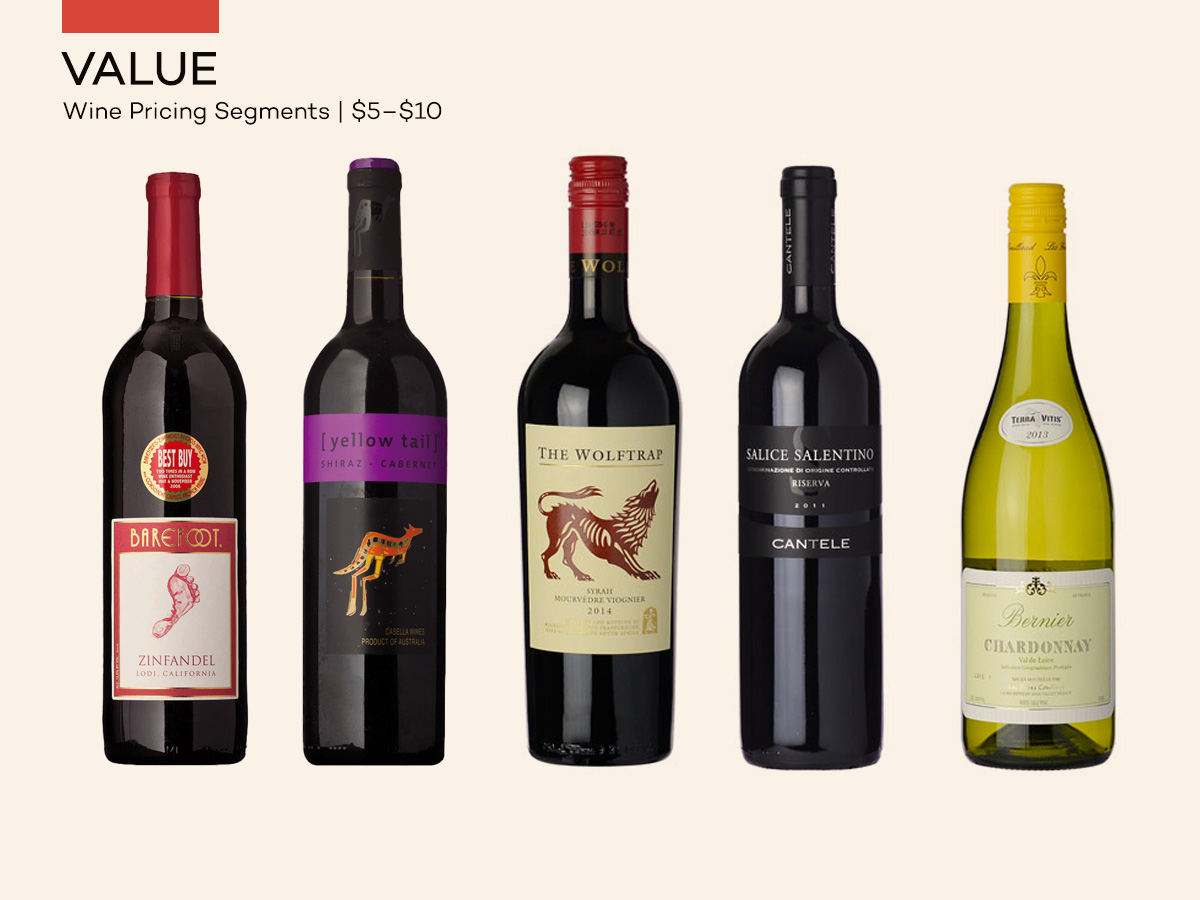
(Value wines: Everyday bottles that punch way above their price—exactly what we hunt for daily.)
Bottom line: Ignore the fluff and focus on producer + region + grape + vintage. If it's specific and affordable, it's likely a steal.
Next time a Daily Bottle Drop texts you a deal, scan the label with this cheat sheet—you'll know instantly if it's your kind of value.
Ready to get those hand-picked labels texted straight to you?
Cheers to smarter sipping,
Jennifer Daily Bottle Drop
The Liquor Cabinet SI Staten Island, NY – Shipping Nationwide 🍷